20 Jan 2026
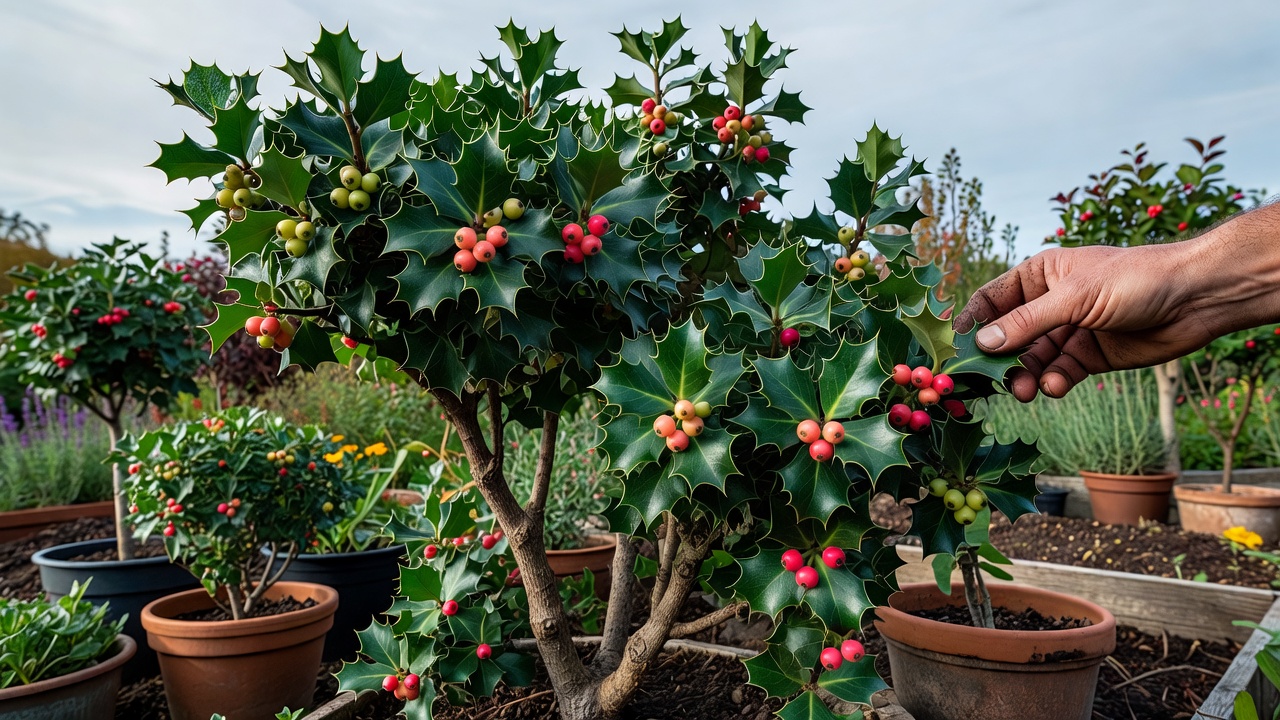
Hollyaster plants bring distinctive foliage and seasonal interest to gardens of all sizes. These resilient shrubs adapt well to various conditions when given proper attention from the start.
Selecting an Ideal Planting Site
Choose a location with full sun to partial shade and well-drained soil. Hollyaster thrives in slightly acidic conditions with a pH between 5.5 and 6.5. Avoid low-lying areas where water collects after rain, as excess moisture can lead to root problems. Space plants at least three feet apart to allow for natural growth and air circulation.
Before planting, amend the soil with organic matter such as compost or aged manure. This improves drainage while retaining necessary moisture. Test the soil if possible to confirm nutrient levels and adjust accordingly with balanced fertilizers formulated for acid-loving plants.
Watering and Feeding Practices
Water newly planted hollyaster deeply once a week during the first growing season. Established plants require less frequent irrigation but benefit from consistent moisture during dry spells. Apply water at the base to keep leaves dry and reduce disease risk. Mulch around the base with pine needles or bark to conserve soil moisture and suppress weeds.
Fertilize in early spring with a slow-release product designed for evergreens. A second light application in midsummer supports continued growth. Over-fertilizing can cause excessive foliage at the expense of overall plant health, so follow package rates carefully.
Pruning and Seasonal Maintenance
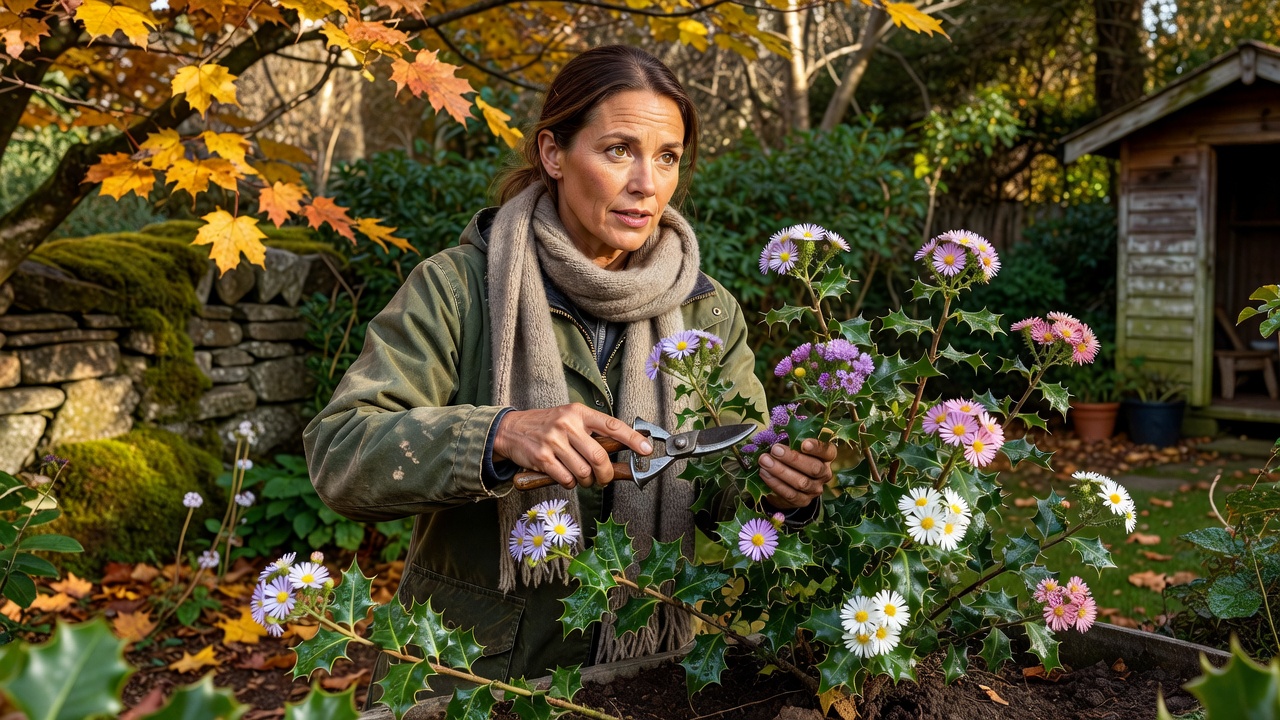
Prune hollyaster in late winter or early spring before new growth emerges. Remove dead or damaged branches first, then shape the plant to maintain its natural form. Light trimming throughout the season encourages bushier growth and better flowering. Monitor for common pests such as aphids or scale insects and treat promptly with insecticidal soap if needed.
In colder climates, protect young plants with burlap wraps during harsh winters. Remove protective coverings gradually in spring as temperatures rise. Regular observation helps catch issues early, ensuring hollyaster remains a reliable garden feature year after year.