3 Feb 2026
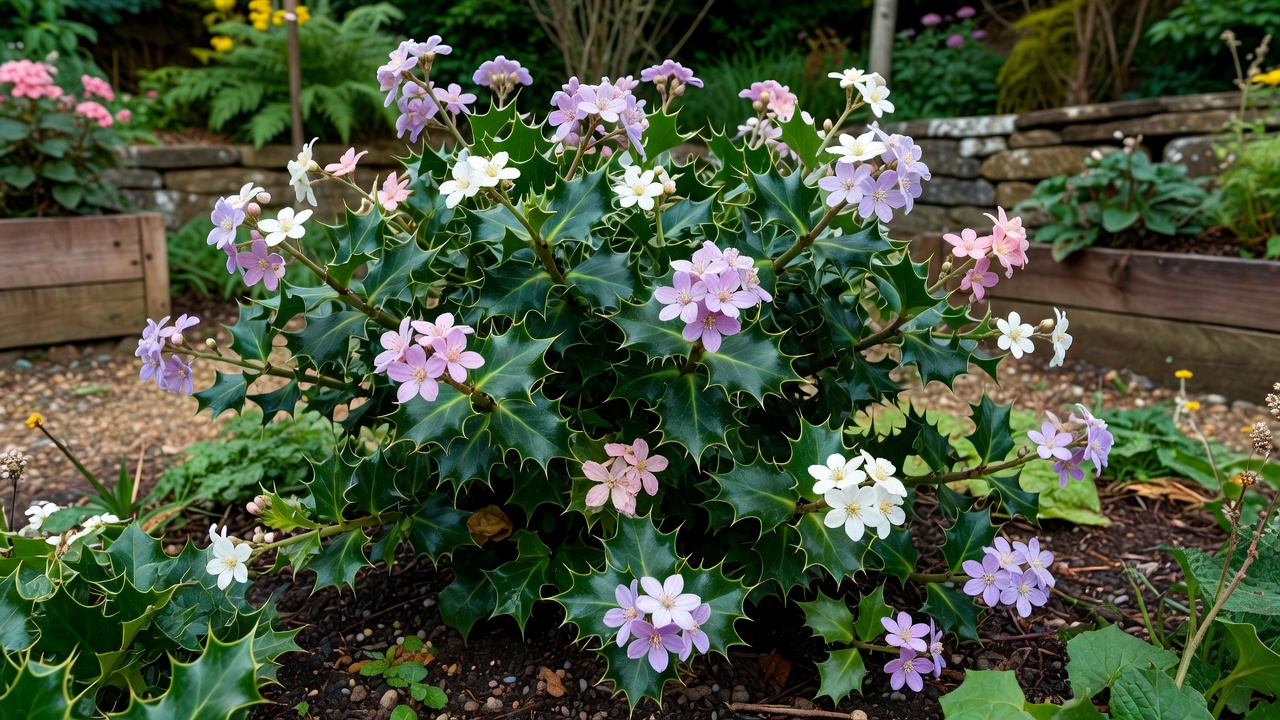
Hollyaster offers a distinctive blend of evergreen structure and seasonal blooms that suits many garden styles. This hybrid plant combines spiny foliage reminiscent of holly with aster-like flowers that appear later in the year. Its compact growth habit makes it practical for both small urban plots and larger suburban landscapes.
Botanical Characteristics
The shrub typically reaches three to five feet in height with a similar spread. Leaves stay deep green year-round in suitable climates, creating consistent visual weight. Flowers emerge from late summer into autumn in shades of purple and blue, drawing bees and butterflies. Small berries follow, providing winter food for birds. Hollyaster performs best in USDA zones five through nine and adapts to various light levels from full sun to partial shade.
Soil preference leans toward well-drained loam enriched with organic matter. Once roots establish, the plant shows reasonable drought tolerance. Gardeners value its resistance to most common pests and diseases when sited correctly.
Cultivation Practices
Site preparation involves loosening soil and incorporating compost to aid drainage. Water new plantings consistently for the first season, then taper off. Apply a balanced slow-release fertilizer each spring to support steady growth. Prune lightly after flowering to shape the plant and remove any winter damage. Mulching helps retain moisture and suppress weeds around the base.
Propagation occurs through cuttings taken in early summer or by division of established clumps. Avoid over-fertilizing, which can lead to leggy growth rather than dense foliage. Regular observation prevents minor issues from developing into larger problems.
Landscape Integration
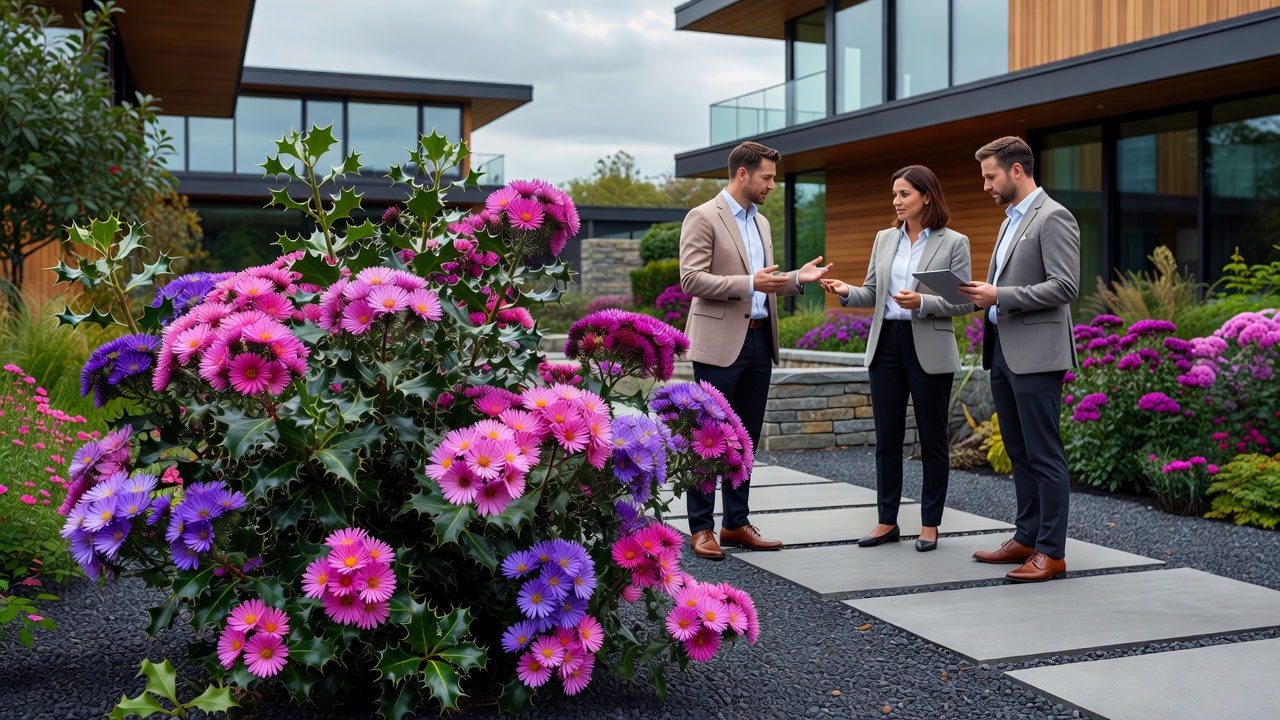
Hollyaster works effectively as a low hedge, border accent, or foundation planting. Its textured leaves contrast well with finer perennials such as ferns or ornamental grasses. Pair it with late-blooming companions like coneflowers to extend seasonal interest. In formal designs, it shears neatly into geometric forms. Informal settings benefit from its natural rounded shape.
Urban gardeners appreciate its tolerance for occasional air pollution and compacted soils. In wildlife-focused gardens, the combination of nectar, seeds, and cover supports local biodiversity. Over time, hollyaster contributes reliable structure that anchors mixed plantings through changing seasons.