11 Apr 2026
Hollyaster is a versatile perennial that combines attractive foliage with vibrant blooms. This plant has gained popularity among gardeners seeking low-maintenance options that provide year-round interest. Its unique appearance sets it apart from traditional garden plants.
Understanding Hollyaster Characteristics
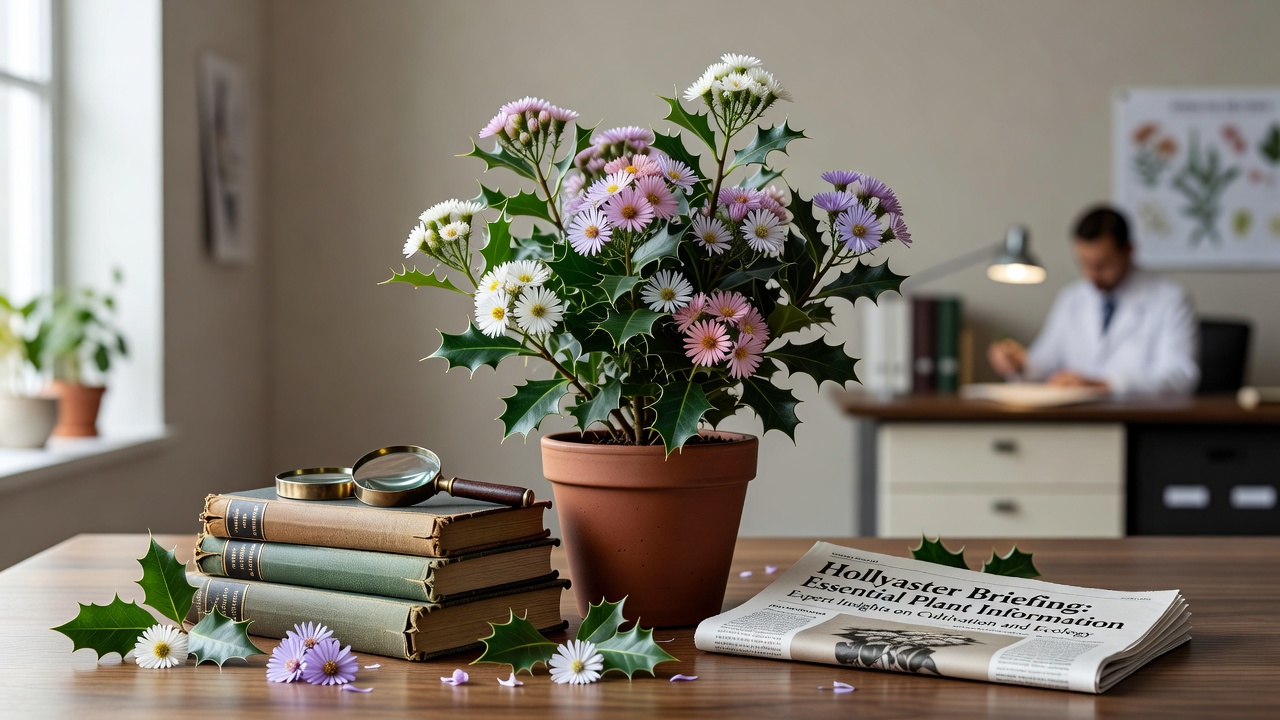
Hollyaster features glossy, evergreen leaves similar to holly, paired with daisy-like flowers reminiscent of asters. It typically reaches heights of 60 to 90 centimeters and spreads gradually through rhizomes. The flowers appear in late summer and continue into autumn, offering shades of purple, pink, and white. This combination makes it suitable for borders, rock gardens, and containers. The leaves have a slightly spiny edge that deters herbivores while adding texture to the landscape. Additionally, hollyaster exhibits good resistance to common garden issues such as powdery mildew. Its root system helps prevent soil erosion on slopes when planted in groups. The plant thrives in a range of soil types but prefers slightly acidic conditions for optimal growth and flowering.
Cultivation and Care Requirements
To grow hollyaster successfully, select a site with full sun to partial shade and well-drained soil. Plant in spring or fall, spacing individuals 45 centimeters apart. Water regularly during the first year to establish roots, then reduce frequency as the plant becomes drought tolerant. Fertilize sparingly with a balanced formula in early spring. Prune after flowering to maintain shape and encourage bushiness. Hollyaster is hardy in zones 5 through 9 and resists most pests and diseases when provided proper air circulation. Mulching around the base helps retain moisture and suppress weeds throughout the growing season. Propagation can be achieved through division in early spring or by taking semi-ripe cuttings in summer. This allows gardeners to expand their collection or share with others interested in this resilient species. Monitor for occasional aphids and treat with insecticidal soap if needed.
Landscape Applications and Benefits
In garden design, hollyaster serves multiple purposes including ground cover, hedging, and pollinator support. Its evergreen nature provides winter structure, while blooms attract bees and butterflies. The plant tolerates coastal conditions and urban pollution, making it ideal for various environments. Gardeners appreciate its longevity and minimal upkeep compared to more demanding species. Integrating hollyaster into mixed plantings creates dynamic displays that change with the seasons. Overall, this plant contributes to biodiversity by supporting local wildlife and requiring fewer chemical interventions. Its adaptability ensures success for both novice and experienced horticulturists alike, enhancing any outdoor space with reliable performance and visual appeal year after year.