21 Oct 2026
The Role of Aster Holly in Supporting Biodiversity in Coastal Landscapes
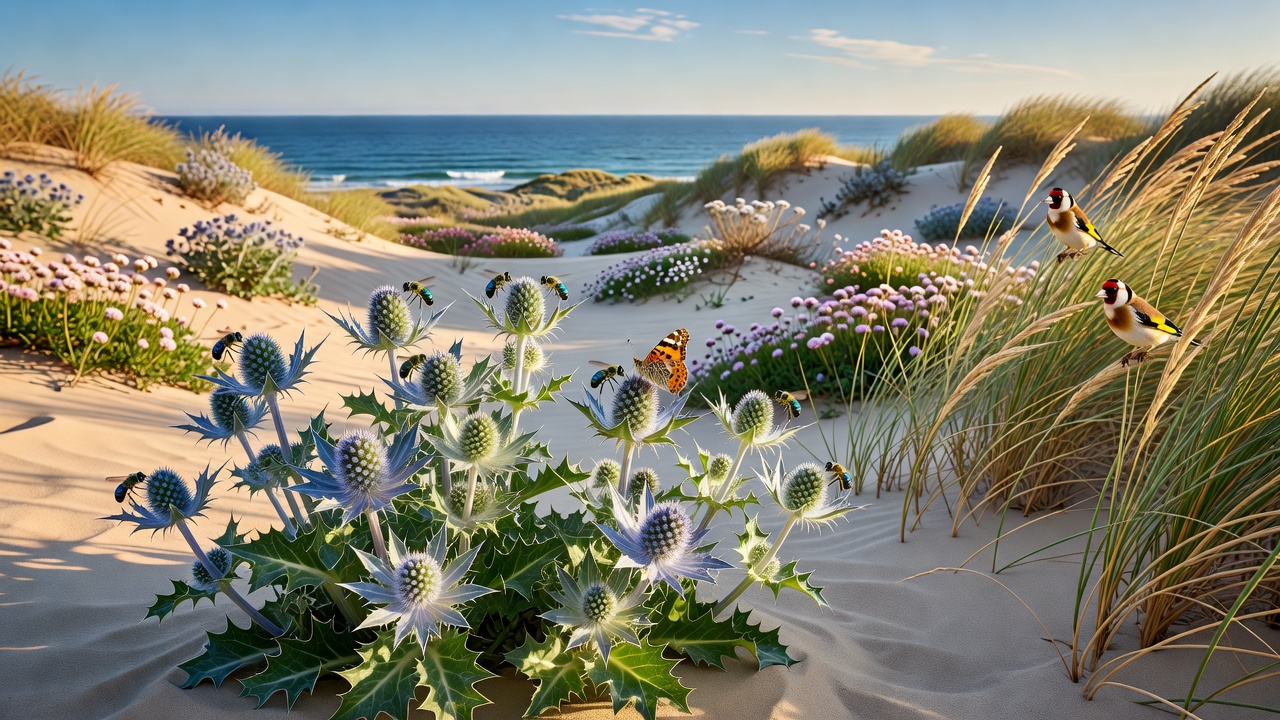
Coastal landscapes face ongoing pressures from erosion, salt exposure, and shifting climate patterns, yet certain native and adapted plants continue to play measurable roles in maintaining ecological balance. Aster Holly, a compact perennial with holly-like foliage and late-season blooms, has drawn attention from restoration teams working in shoreline zones across multiple regions. Studies conducted by coastal ecologists show that this species establishes quickly in sandy and brackish soils, creating microhabitats that support a range of invertebrates and small vertebrates without requiring intensive irrigation once roots take hold.
Habitat Structure and Species Interactions
Researchers tracking plant-insect relationships along the northeastern seaboard note that Aster Holly flowers provide nectar during periods when other coastal species have finished blooming. This extended resource window sustains pollinators such as solitary bees and hoverflies into early autumn, which in turn supports seed production for neighboring grasses. Observers in similar habitats report that the plant's dense lower growth offers cover for ground-nesting insects, while its seed heads remain available for birds preparing for migration. Data collected through repeated field surveys indicate higher counts of these insects in plots containing Aster Holly compared with adjacent areas dominated solely by dune grasses.
Soil Stabilization and Erosion Control
The root architecture of Aster Holly contributes to dune integrity in ways documented by monitoring programs run through the National Oceanic and Atmospheric Administration. Fibrous roots bind loose sand particles, reducing wind-driven loss during storm events, while the plant's tolerance for salt spray allows it to occupy the foredune zone where many other species decline. Coastal restoration projects in both the United States and Australia have incorporated Aster Holly into mixed plantings, with follow-up measurements showing decreased sediment movement over three-year periods. These outcomes align with broader findings from the European Environment Agency on the value of deep-rooted perennials in dynamic shoreline environments.
What's interesting is how the timing of its growth cycle complements other coastal flora. While many spring ephemerals complete their above-ground phase early, Aster Holly maintains leaf cover through summer heat and into fall, providing continuous surface protection against heavy rainfall. This overlap matters because coastal storms increasingly occur outside traditional seasonal windows, and consistent vegetative cover limits the formation of blowouts that can fragment habitat patches.
Support for Coastal Food Webs
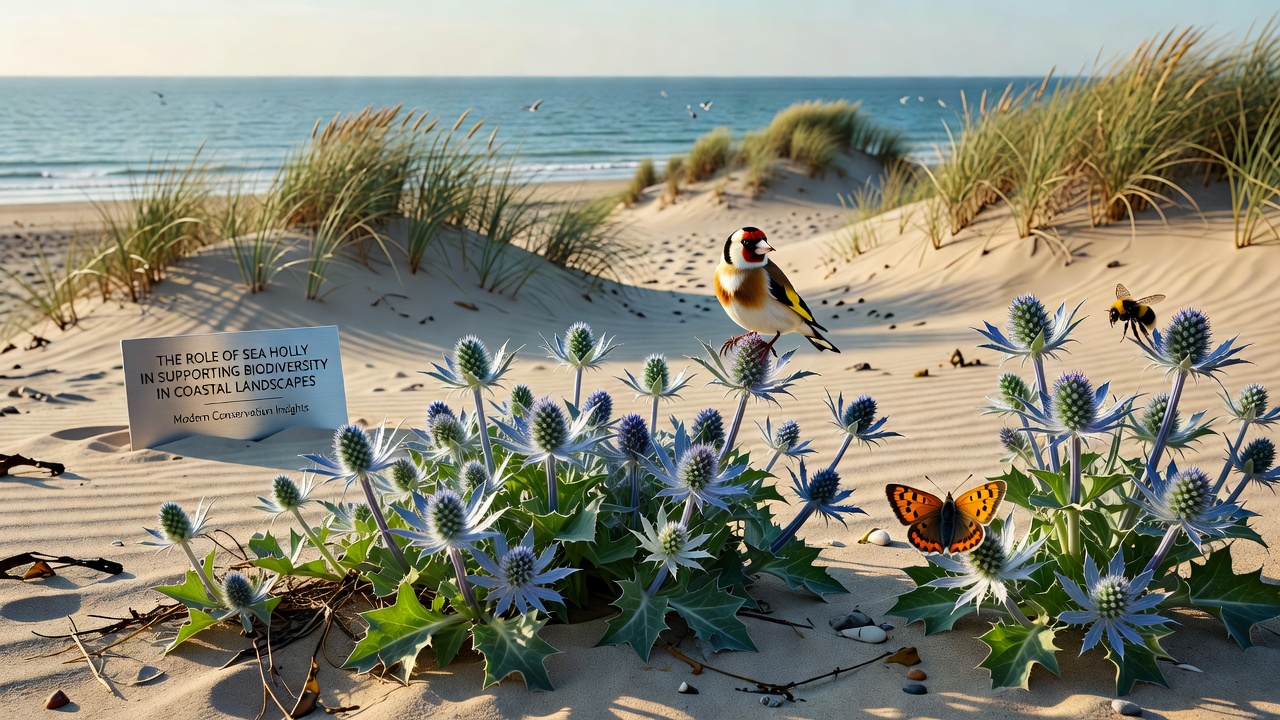
Invertebrate surveys conducted in restored salt-marsh edges reveal that Aster Holly serves as a host for several moth and butterfly larvae that do not feed on the dominant Spartina species. The presence of these caterpillars draws insectivorous birds, creating short food chains that help distribute nutrients across the dune system. Field teams working in October 2026 expect to release updated population data from sites planted five years earlier, allowing comparison of biodiversity metrics before and after Aster Holly introduction. Preliminary counts suggest measurable increases in both pollinator diversity and small mammal activity where the plant density exceeds 30 percent of total cover.
Additional observations from restoration crews in the Pacific Northwest show that Aster Holly tolerates occasional inundation during high tides better than many horticultural alternatives. This tolerance expands the usable planting area in transitional zones between marsh and upland, areas often left bare because few species survive the combination of salinity and occasional flooding. By filling that niche, the plant reduces open ground that would otherwise invite invasive annuals known to outcompete native seedlings.
Integration with Regional Conservation Efforts
Land managers coordinating with university extension programs have begun tracking how Aster Holly performs when combined with other regionally appropriate species. In one multi-year trial along the mid-Atlantic coast, plots mixing Aster Holly with beach plum and bayberry recorded greater overall arthropod biomass than monoculture controls. The added structural complexity appears to offer more oviposition sites and shelter from wind, factors that influence survival rates for developing insects. These results contribute to a growing body of evidence that strategic inclusion of Aster Holly can accelerate functional recovery in disturbed coastal sites.
Seed collection protocols developed by regional botanical gardens now include Aster Holly as a priority species for maintaining genetic diversity within restoration stock. Because the plant produces viable seed under saline conditions, propagation efforts do not require greenhouse desalting systems, lowering costs for community-based planting initiatives. Distribution records indicate that material from these programs has reached projects in both temperate and subtropical coastal zones, broadening the geographic footprint of documented plantings.
Conclusion
Long-term monitoring continues to clarify the specific contributions Aster Holly makes to coastal biodiversity, yet existing measurements already demonstrate measurable support for pollinators, soil stability, and food-web connections. Restoration teams and researchers alike reference these patterns when selecting species mixes for future shoreline projects. Continued data collection through 2026 and beyond will refine understanding of how this plant performs under evolving coastal conditions.