26 Jan 2026
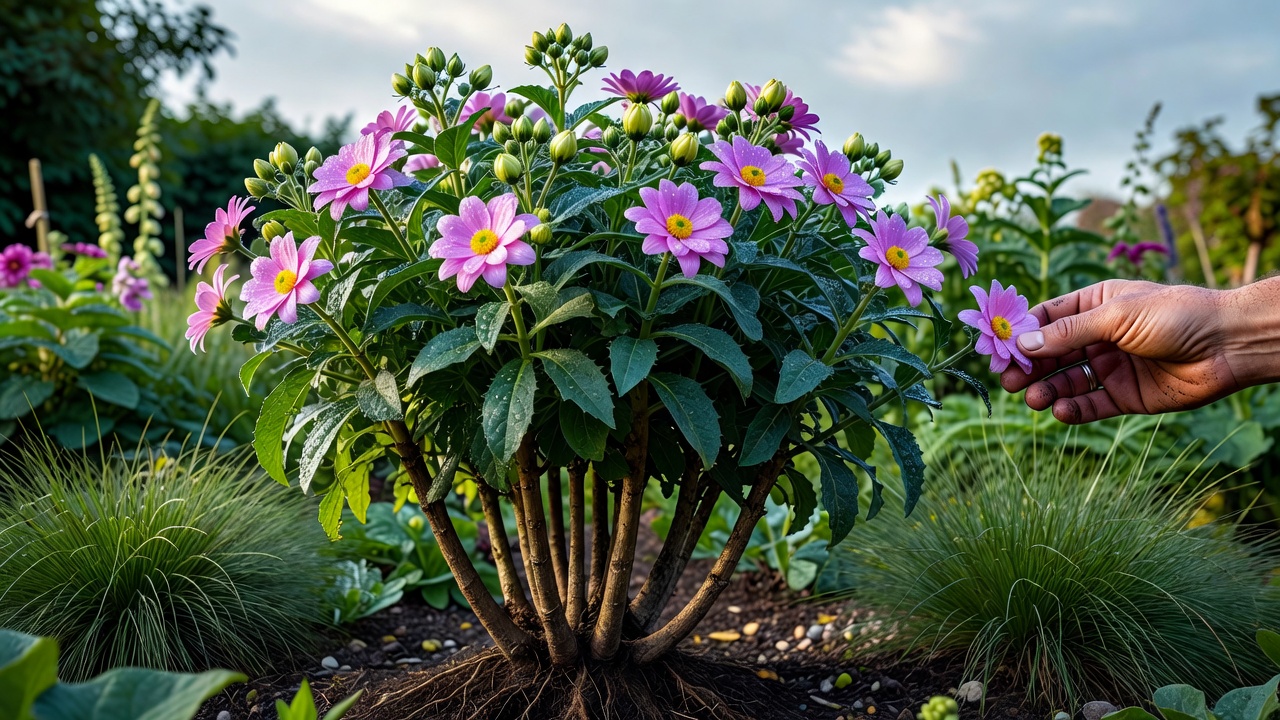
Hollyaster is a versatile perennial that rewards consistent observation with vibrant blooms and sturdy growth. Understanding the key indicators helps gardeners maintain healthy plants across seasons without unnecessary intervention.
Soil and Moisture Monitoring
Check soil moisture at root depth every few days during active growth. Hollyaster prefers evenly moist conditions but suffers in waterlogged areas. Use a simple finger test or moisture meter to avoid both drought stress and root rot. Amend clay soils with organic matter to improve drainage while retaining necessary hydration. pH levels between 6.0 and 7.0 support optimal nutrient uptake; test annually and adjust with lime or sulfur as needed.
Pest and Disease Signs
Inspect leaves weekly for aphids, spider mites, or powdery mildew. Early detection allows gentle remedies such as insecticidal soap or improved air circulation. Yellowing foliage often signals nutrient imbalance or overwatering rather than pests. Remove affected leaves promptly and avoid overhead watering to reduce fungal risks. Beneficial insects like ladybugs naturally control many common invaders when encouraged through diverse plantings.
Seasonal Growth Patterns
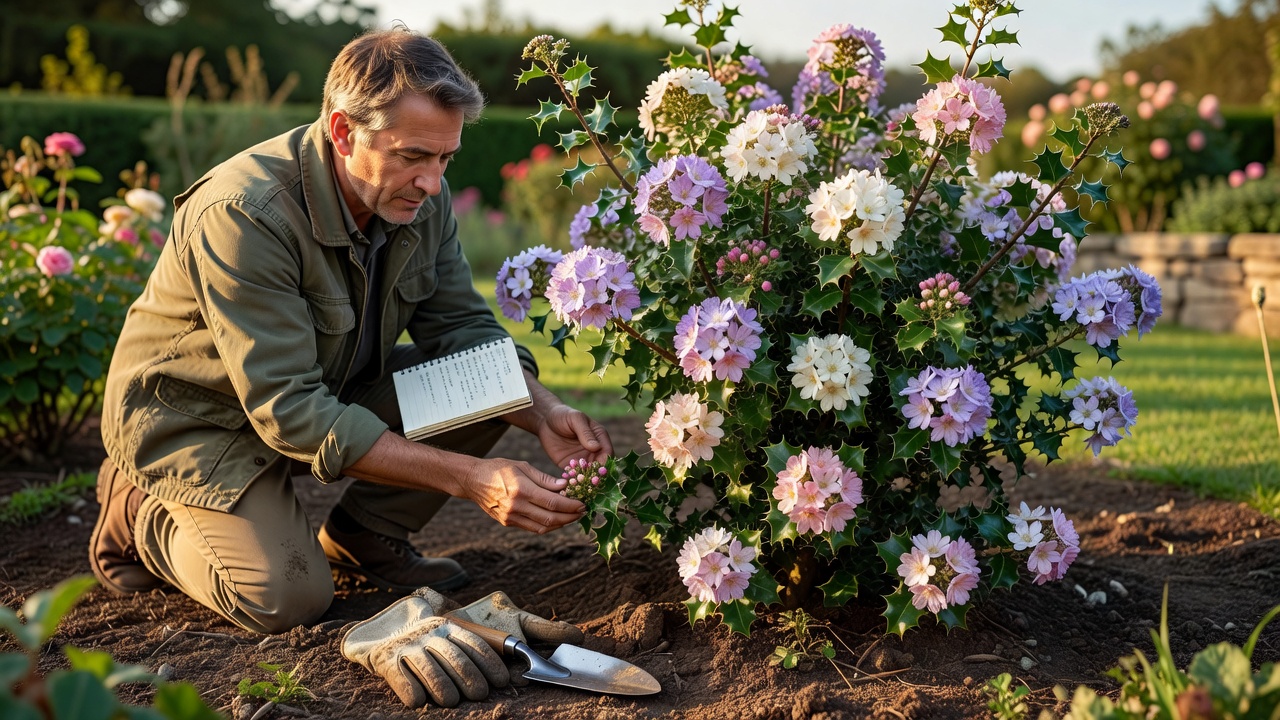
Track stem development from spring emergence through fall. Strong, upright growth indicates adequate light and nutrition. Thin stems may require staking or reduced shade. Note flowering times to ensure the plant receives full sun exposure of at least six hours daily. Divide clumps every three to four years when centers become sparse, replanting divisions in fresh soil to maintain vigor. Record observations in a garden journal to refine care routines over multiple years.